COIL CHOICE GUIDE
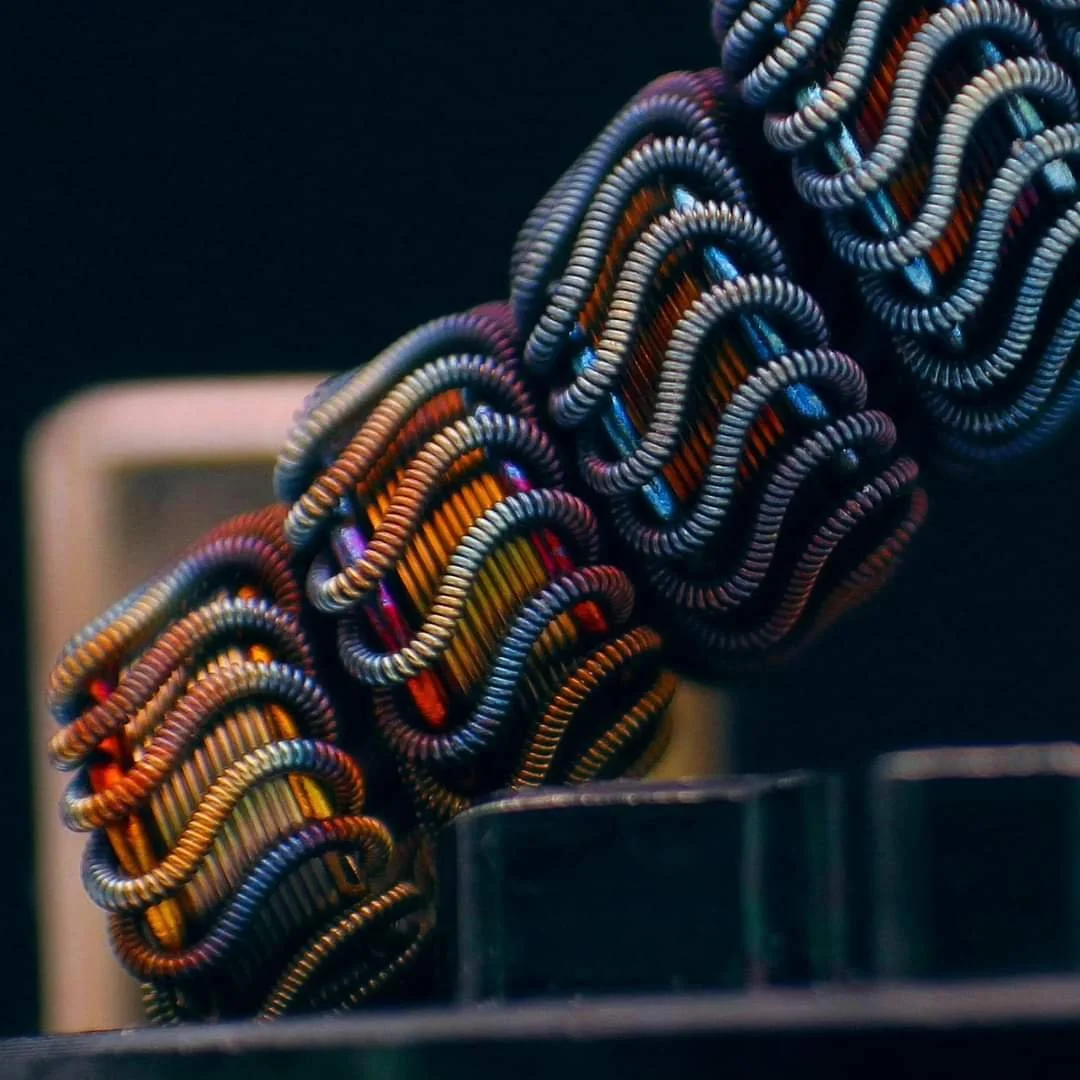
How exactly do you choose the “best” coils?
Understanding how things work will go a long way to saving you time and money.
Coil mass and power.
Regulated, mechanical, RDL, DL, MTL ect..
its important to know the difference between them and which most applies to you..
Regardless of if your using a regulated mod, mechanical tube, stacked series mod or your a pod wanker.. all follow this simple equation.. P/M = R.
P/M = R means “Power divided by mass equals ramp”.
in a nutshell this means that the total amount of power that is supplied to the coils is then divided by the coils overall mass which is then reflected in the speed in which the coils heat up (Ramp)
What is coil mass.? Coils mass is the size of the coil, not just the inner diameter but the thickness of the wires and the total amount of wraps.
The bigger the coil, the thicker the wires.. the higher the mass and the more power you will need to get the coil to operate in its optimal range.
What about ohms?
ohms when using mechanical power are one of the most important factors to consider as using ohms law they will determine the amount of power which is pulled from the battery and its vital to have a good understanding of this if your using mechanical power for both performance and safety.
However.. while using a regulated mod with a pre selected amount of power determined by yourself.. ohms law isn’t fully in control and in fact would be almost completely useless up until the point you start asking the ohms to allow more power to flow than they will allow.. something which in most cases is never going to be a factor unless your asking your regulated mod to push excessive amounts of power.
Regardless of how you get to the amount of power supplied to the coils, be it from mechanical using ohms law or regulated using pre selected, that amount of power is then divided by the coils overall mass and will determine the coils ramp speed. P/M = R
There are Pros and Cons to both High and Low mass coils.
High mass will need more power to ramp effectively, increased airflow and effort to cool the coils back down as they will hold on to that heat for longer which if not cooled down effectively will result in a shorter time between coil cleaning and cotton changes.
This extra warmth in higher mass coils can cause problems if not dealt with effectively but at the same time can add what can almost be described as a thicker, warmer more dense experience which helps a lot with dessert style flavours like custards and creams ect.
Low Mass will Ramp effectively with less power and also naturally cool down faster leading to extended time between coil cleaning and cotton changes.
not to mention extended battery life and an almost no brainer when using regulated power..
often resulting in a smoother and slightly cooler experience but caution should be taken as they can quickly runaway and create excessive temperatures leading to scorching while under extended durations of power without sufficient airflow.
lower mass also often meaning thinner wires resulting in less robust coils which will require extra care to maintain them, although lower mass does not always mean thinner wires and higher mass does not always mean thicker..
remember mass is the overall amount of mass and not just how thick the wires are.. for eg a set of XL 4mm 30/38 quad series coils will be considered as high mass and definitely need plenty of power.. a set of standard 30/38 quad coils with less wraps in 3mm are significantly lower in mass although made from exactly the same wires.. but need much less power.
the higher the gauge number the thinner the wires, 38g outer fuse being much thinner than 36g.. 26g cores being much thicker than 30g cores and so on.
in a nutshell.. size really does matter..
